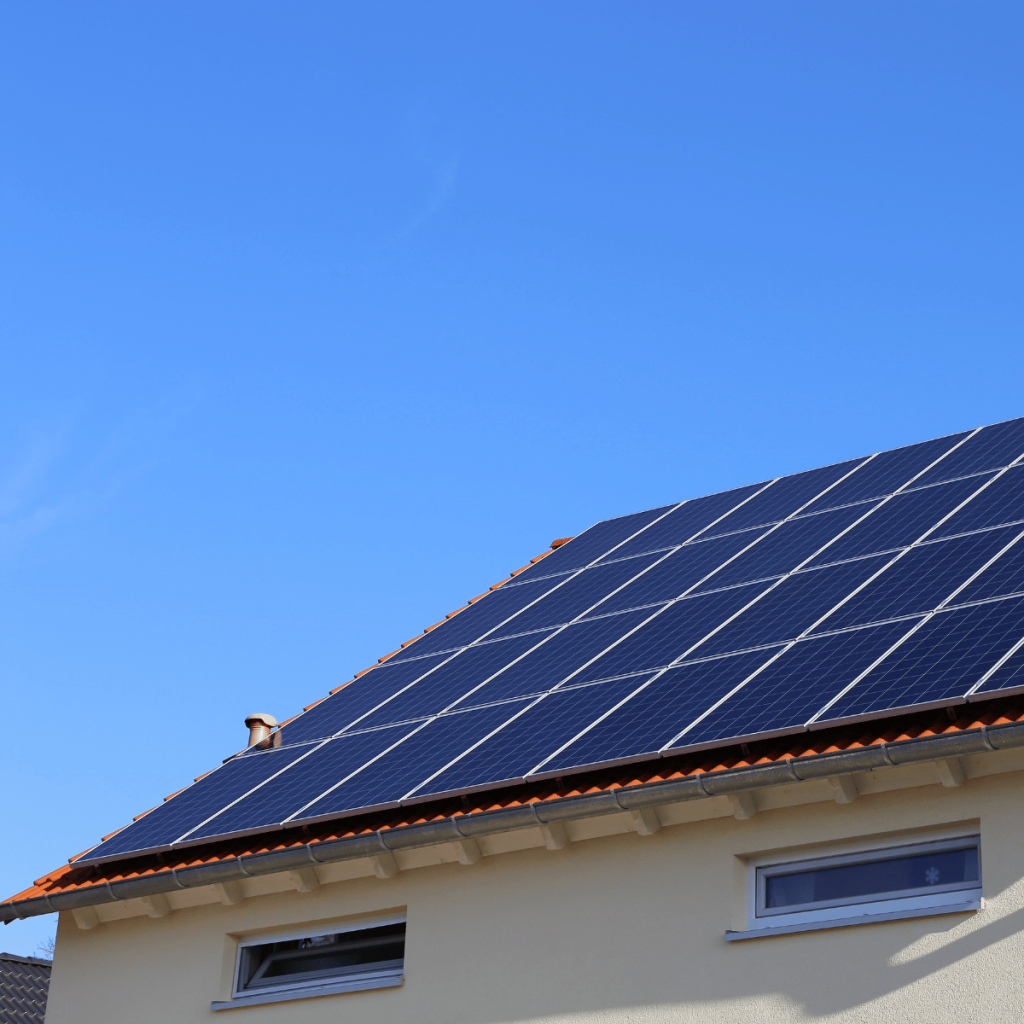
Solar installation in Newcastle and the North East

Thinking about solar panels for your home? You're not alone. More homeowners across the North East are looking at ways to generate their own electricity, cut their bills and reduce their reliance on the grid right now.

How do solar panels work?

Solar panels, also known as photovoltaic or PV panels, convert daylight into electricity. That electricity can be used directly in your home to power your appliances, lighting and heating. Any surplus that you don’t use can be exported back to the National Grid.

Panels do not need direct sunshine to work. They generate electricity from daylight, which means they produce useful output even on cloudy days. Output is lower in winter than in summer, but a well-specified system generates electricity throughout the year.

What are the financial benefits?

What does a solar panel system include?

A typical domestic solar installation consists of:

Frequently asked questions

What grants or support are available?

The main financial support available for solar panels in the UK is the Smart Export Guarantee (SEG). This scheme requires licensed electricity suppliers to pay homeowners for any surplus electricity they export to the grid. Rates and payment terms vary between suppliers, so it is worth comparing options.

VAT on residential solar panel installations is currently zero-rated in the UK, making the upfront cost more manageable than it was in previous years. There is currently no direct government grant specifically for solar panels in England, though this may change as energy policy continues to evolve.

Most quality solar panels are designed to last 25 years or more. They typically come with a performance guarantee from the manufacturer, which guarantees the panels will still be producing a specified percentage of their original output after 25 years. The inverter may need replacing sooner, usually after 10 to 15 years, depending on the model.
In most cases, domestic solar panel installations in England are considered permitted development and do not require planning permission, provided the panels do not protrude significantly above the roof line and the property is not in a conservation area or listed. We would confirm this as part of your survey visit.
Any surplus electricity your system generates that you don’t use in your home is automatically exported to the National Grid. Through the Smart Export Guarantee, your energy supplier pays you for this exported electricity. The rate varies by supplier and tariff.
In many cases, yes. Retrofitting battery storage to an existing solar installation is possible, though the compatibility depends on your current inverter and system setup. This is something we can assess as part of a survey visit.
Solar panels can be installed on most roof types, including tiles, slates, and flat roofs. The main factors are the structural integrity of the roof, the orientation and pitch, and the amount of shading the roof receives. We assess all of this during a survey before recommending a system.

Book your home survey - step 1

Let us know a little about yourself and your home, when you submit the form you’ll be able to book your survey.

4 simple steps to benefitting from a home solar installation

Step 1 - Book your home survey

Use the form to request a home survey. Enter your details then choose your appointment date and time.

Step 2 -You get a competitive home solar quote

After the home survey you'll receive a competitive and comprehensive quote for home solar.

Step 3 - Your solar is installed by trained professionals

After accepting your quote we organise a schedule to get your home benefitting from solar and agree a date convenient to you for installation.

Step 4 - Enjoy the benefits of home solar and start saving money

Before you know it, you'll be benefitting from having home solar, knowing you're less reliant on fluctuating energy prices.